Chiefs' Barazas Uniting Maasai Communities in the Fight against FGM.
Transforming Communities to End FGM in Narok County
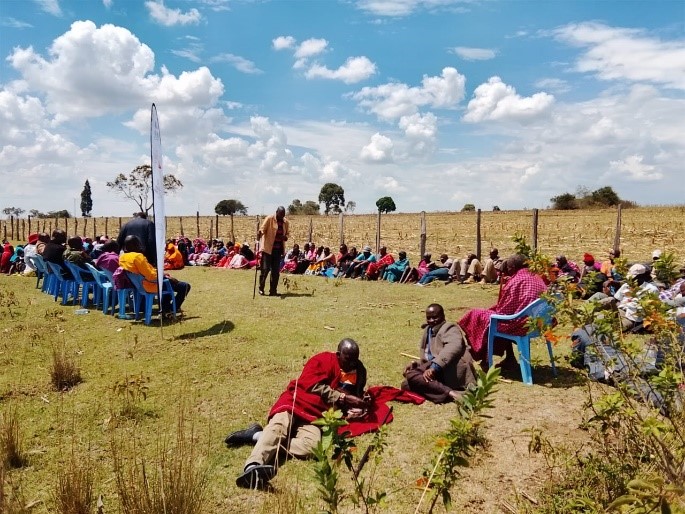
Despite significant progress, Female Genital Mutilation(FGM) remains a challenge in parts of the Maasai community, where it is deeply rooted in cultural traditions and often viewed as a precondition for marriage and adulthood. The practice continues to expose girls to child marriage, teenage pregnancy, school dropout, and lifelong physical and psychological harm, denying them the opportunity to reach their full potential.
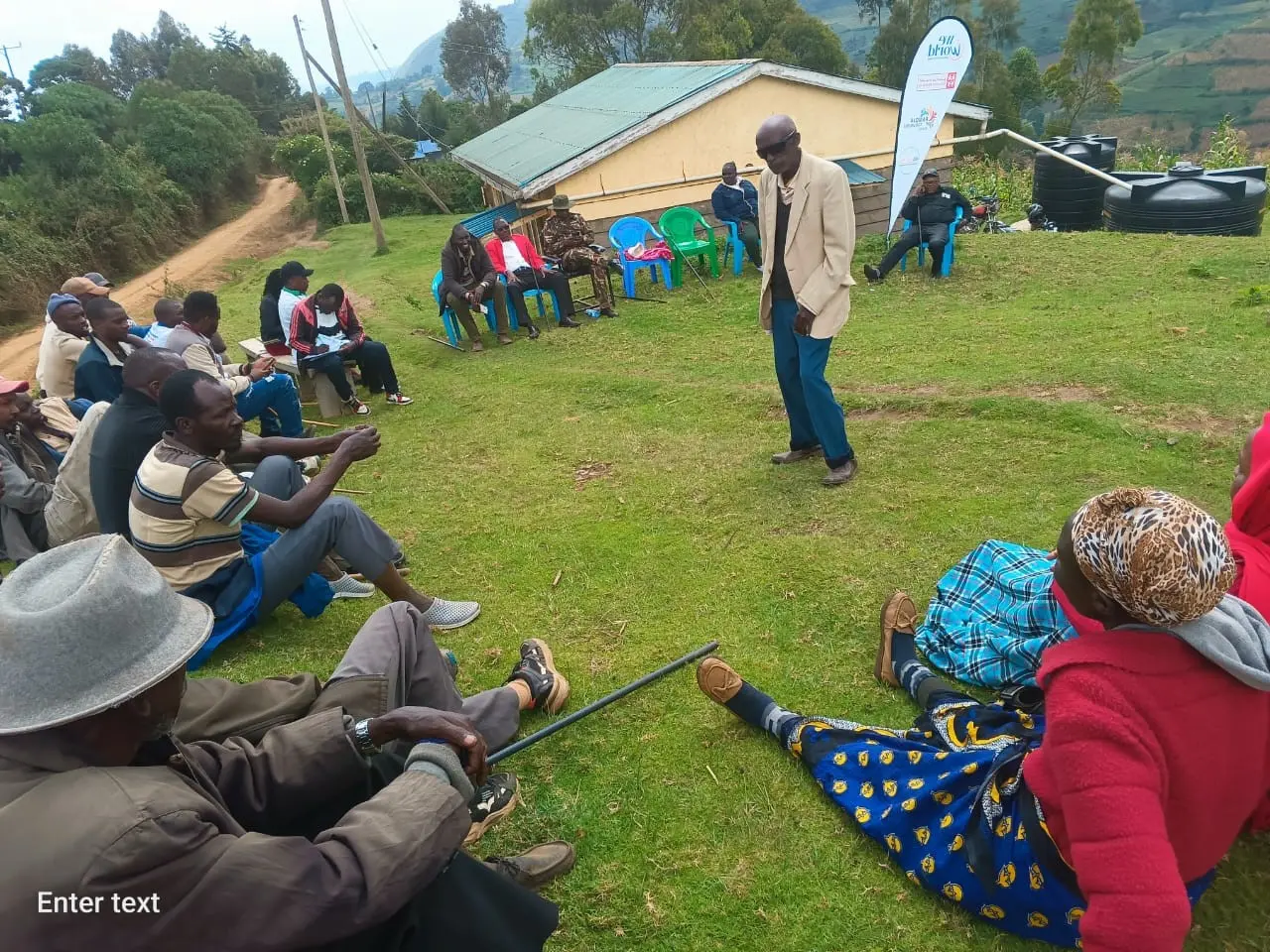
Recognizing that lasting change must come from within the community, ADS South Rift, through the Pamoja Tudumishe Elimu Project funded by We World, has been organizing Anti-FGM sensitization forums in Narok North, Narok Central, and Narok East Sub-Counties. The forums are conducted through Chiefs’Barazas - widely respected community meetings that provide an inclusive and trusted platform where government leaders, elders, men, women, and youth discuss issues affecting their communities and collectively identify solutions.
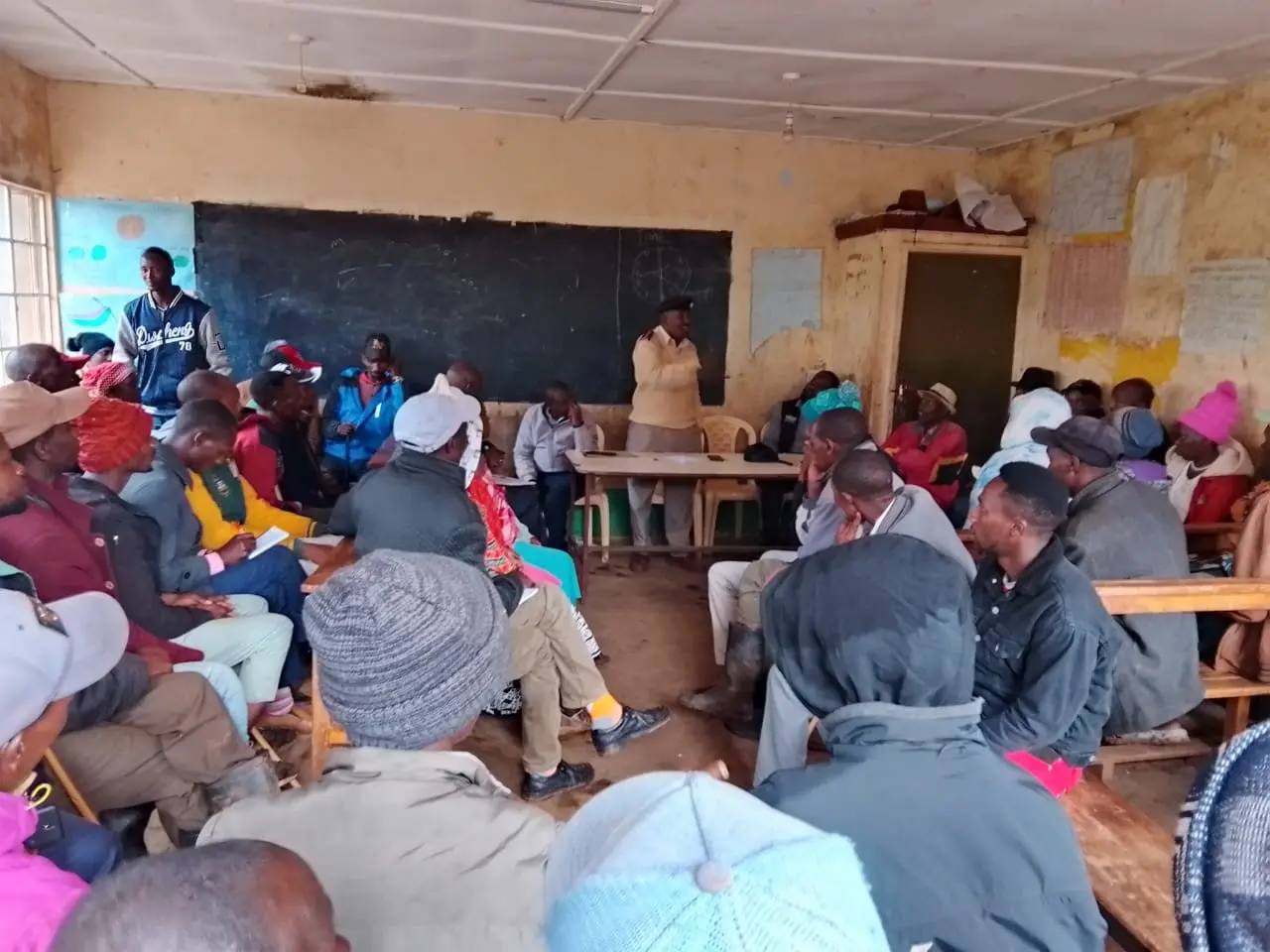
The forums also intentionally target men as the primary audience. Within the traditional Maasai community, men play a central role in family and community decision-making. Fathers, husbands, clan leaders, and elders are influential custodians of culture and often determine whether girls undergo FGM or marry at an early age. Their voices also shape community attitudes and influence future generations. By engaging men with accurate information on the legal, health, educational, and social consequences of FGM, the forums try to change from custodians of harmful practices into champions for the protection and education of girls.
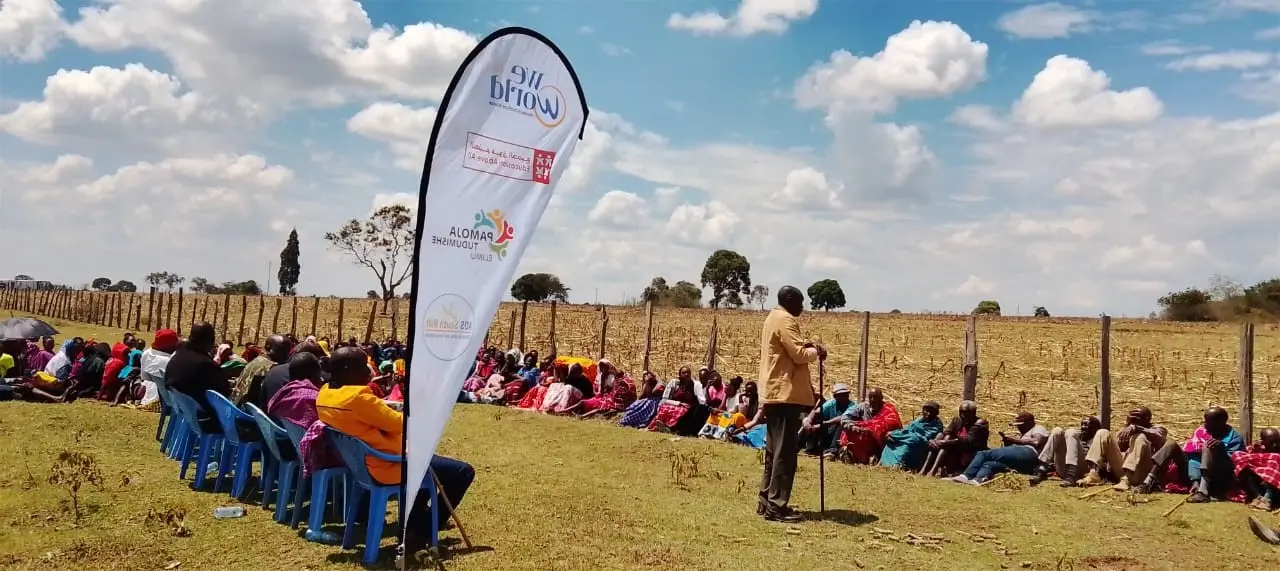
Through open dialogue and community participation, the forums promote children’s rights, the benefits of girls’ education, and the adoption of alternative rites of passage that preserve cultural identity without causing harm. Chiefs, government officials, and respected Maasai elders reinforce the message that protecting girls is a shared community responsibility and that culture can evolve while preserving its positive values.
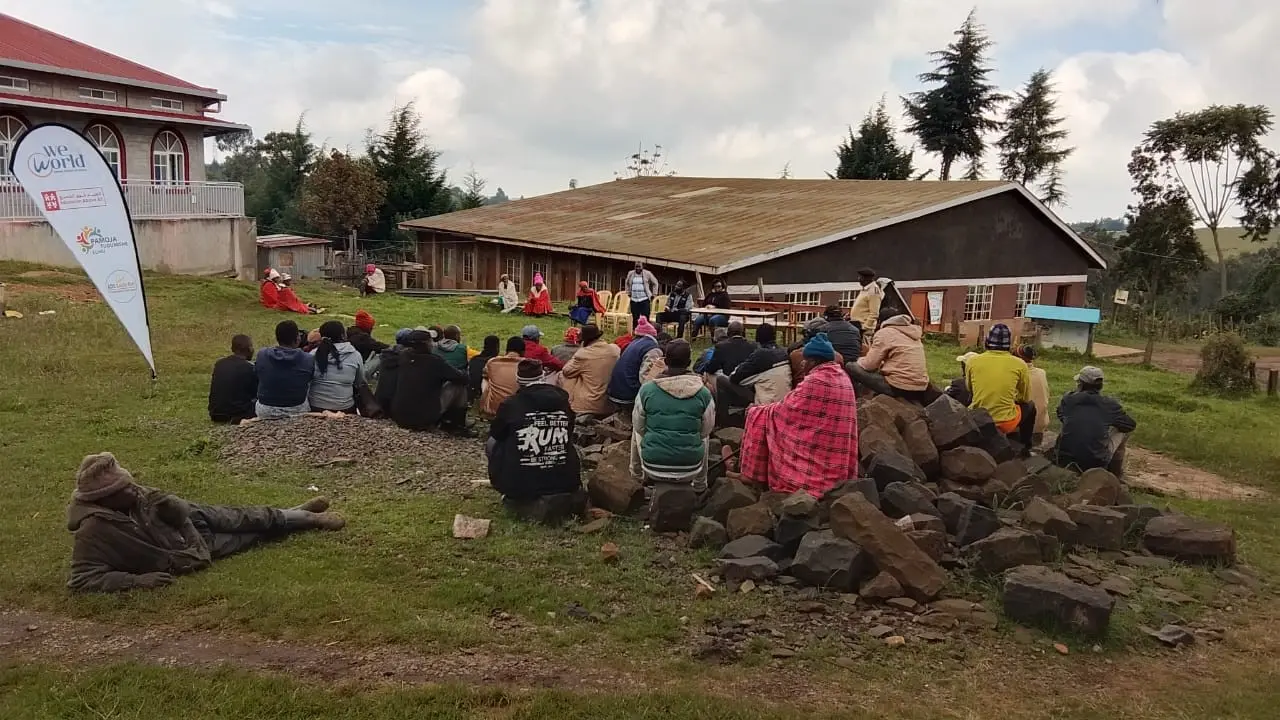
The meetings have already yielded encouraging results. Communities have demonstrated increased awareness of the legal consequences of FGM and other harmful practices, greater support for girls’education, improved reporting of child abuse and gender-based violence cases, and growing acceptance of alternative rites of passage. These changes are strengthening community vigilance and accelerating efforts to eliminate FGM.
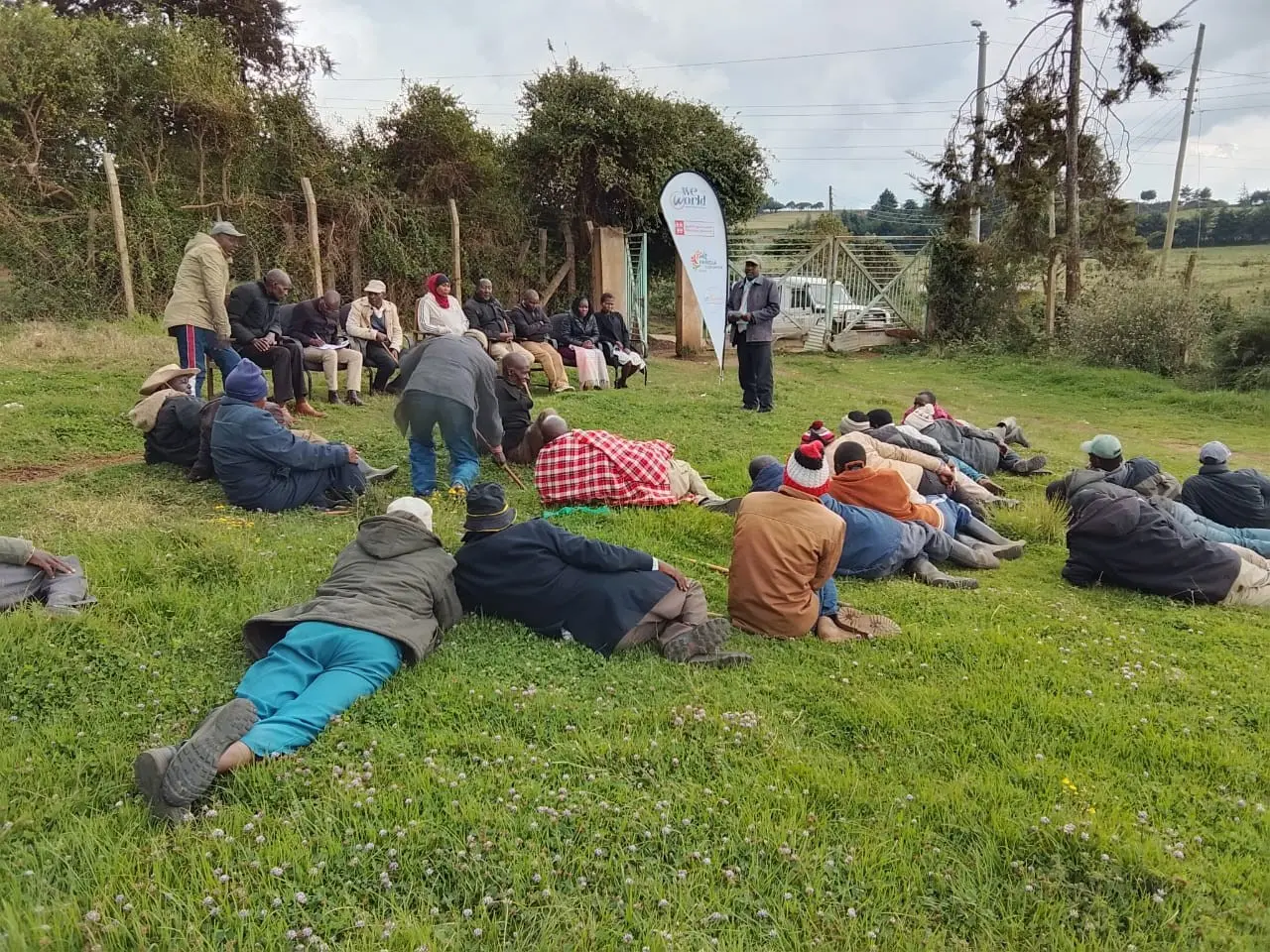
In the long term, empowering the communities is expected to create lasting shifts in social norms, reduce FGM, child marriage, and teenage pregnancies, increase school retention and completion among girls, and build safer communities where every child can thrive free from violence and harmful cultural practices.
ADS South Rift sincerely appreciates the partnership and support of WeWorld through the Pamoja Tudumishe Elimu Project, whose commitment is helping communities across Narok County lead the movement toward ending FGM and securing a brighter, safer future for every girl.


